
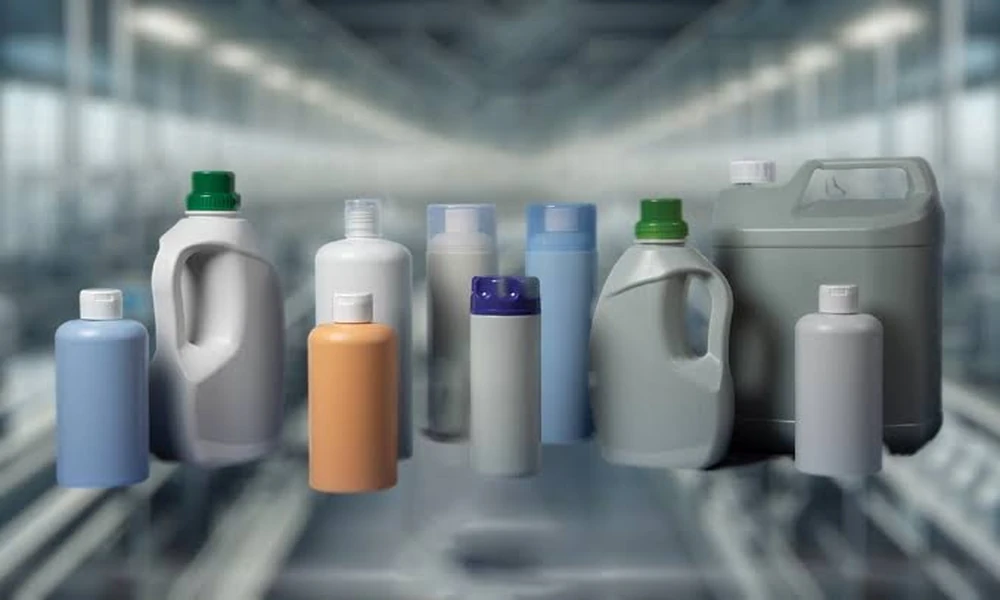

Packaging buyers often treat plastic as one material with different shapes. It is not. The resin decides how a container handles chemicals, moisture, impact and heat, and choosing the wrong one shows up later as leaking caps, swollen bottles or products that degrade on the shelf. The hdpe bottle has become a default across healthcare, household and industrial packaging for good reasons, but it also has limits worth understanding before you specify it for a new product.
What HDPE Is
High-density polyethylene is a thermoplastic made from long, tightly packed chains of ethylene. That dense structure gives it a higher strength-to-weight ratio than low-density polyethylene and makes it stiffer and more resistant to chemicals. It carries resin identification code 2, the number moulded into the base of many bottles. HDPE is naturally translucent and milky in appearance, and it takes pigments well, so it is commonly produced in white, coloured or opaque versions.
How HDPE Bottles Are Made
Most HDPE bottles are produced by extrusion blow moulding. A tube of molten plastic, called a parison, is extruded, clamped inside a mould and inflated with air until it takes the mould’s shape. The process suits a wide range of sizes, from small pill bottles to large jerrycans, and allows features such as handles and offset necks. Moulds can be customised for shape, neck finish and wall thickness, which affects both the cost and the performance of the finished bottle.
Key Benefits of HDPE
Several properties explain why HDPE appears in so many product categories:
- Strong resistance to many acids, alkalis, detergents and solvents
- A good moisture barrier that protects dry and liquid contents
- Toughness and impact resistance, so bottles survive drops
- Light weight, which reduces shipping costs
- Wide recyclability in many collection systems
Healthcare and Supplements
Pharmaceutical and supplement packaging often uses HDPE because it protects contents from moisture, which can degrade tablets and capsules. Opaque or white bottles also shield light-sensitive products. Small round bottles with screw or child-resistant closures are standard for tablets, capsules and powders. In regulated healthcare products, buyers should confirm the resin grade, any relevant compliance documentation and whether the supplier can provide consistent batch records for the hdpe bottle they are buying.
Household and Cleaning Products
Detergents, bleach, disinfectants and floor cleaners are often aggressive chemicals, and HDPE’s chemical resistance makes it a natural fit. Bottles with handles, trigger sprayers and measuring caps are common. The material’s toughness also matters here, since these containers are often heavy, handled with wet hands and stored in cupboards where they may be knocked. Opaque colours help brands differentiate products on crowded supermarket shelves.
Food and Beverage Uses
HDPE is widely used for milk, juice, sauces, edible oils and dry foods. Food-grade resins and appropriate manufacturing controls are essential, and food businesses should ask suppliers for confirmation that materials are suitable for food contact. HDPE is not a strong oxygen barrier, so products sensitive to oxidation may need a different material or a multilayer construction. For many everyday foods, though, its balance of cost, safety and durability works well.
Industrial and Automotive Applications
Industrial users rely on HDPE for lubricants, engine additives, agricultural chemicals and laboratory reagents. Larger containers such as jerrycans and drums often use HDPE because of its strength and impact resistance. Compatibility testing is important in this sector, since some hydrocarbons and solvents can cause swelling or stress cracking over time. Wall thickness, closure design and venting all need to suit the product being stored.
Limitations to Consider
HDPE is versatile but not universal. It is not crystal clear, so products that rely on visual appeal may suit PET better. It has a relatively low softening temperature compared with PP, which matters for hot filling or sterilisation. Its oxygen barrier is modest, and certain chemicals can cause environmental stress cracking. Discussing the product formula, filling method and storage conditions with the supplier helps avoid these problems.
Closures and Decoration
The bottle is only part of the package. Closures, including screw caps, flip tops, pumps, sprayers and child-resistant caps, must match the neck finish and seal reliably. Decoration options such as silkscreen printing, hot stamping, adhesive labels and shrink sleeves affect both appearance and cost. HDPE’s surface often needs treatment before printing so inks adhere properly, so confirm this with the supplier.
Sustainability Considerations
HDPE is one of the most widely recycled plastics, and recycled HDPE is used in new bottles, pipes and other products. Lightweighting, using less resin without compromising strength, reduces material use and shipping emissions. In Singapore, larger businesses that supply packaged products have packaging reporting obligations under the Resource Sustainability Act, so knowing the material and weight of each container is useful. Designing for recyclability, such as avoiding mixed materials that are hard to separate, also helps.
Questions to Ask a Supplier
A short checklist helps when comparing suppliers:
- Is the resin grade suitable for my product and industry?
- Which neck finishes and closures fit the bottle?
- Can you supply samples for compatibility testing?
- What documentation comes with each batch?
Choosing HDPE for Your Product
Start with the product itself: its chemistry, sensitivity to moisture, light and oxygen, and how it will be filled, stored and used. If those match HDPE’s strengths, consider size, shape, neck finish, closure and decoration. Request samples for compatibility testing before committing to large orders. An experienced manufacturer of high-density polyethylene containers can recommend standard bottles or custom moulds that suit your product and help you avoid costly packaging failures.