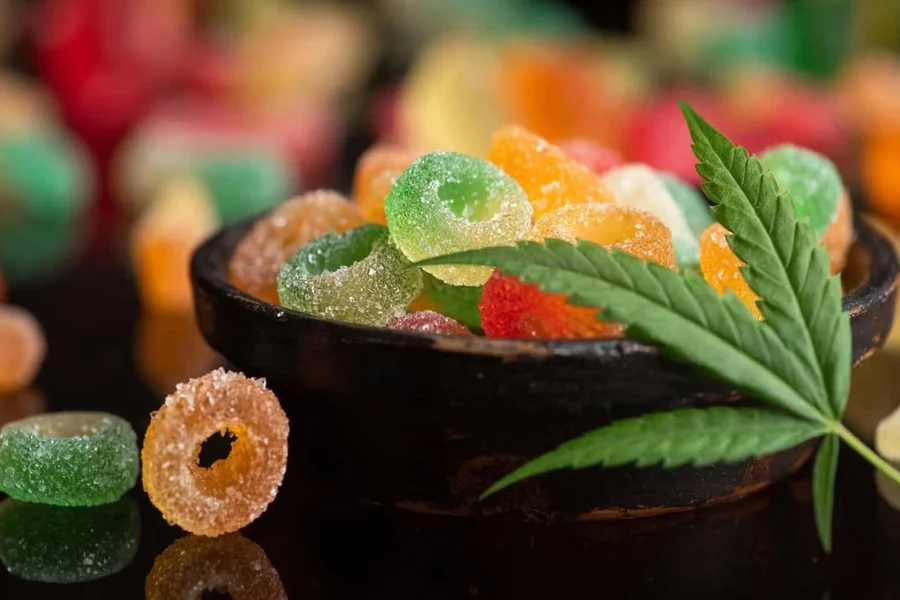


Formulation differences between full-spectrum and isolate versions extend through every stage of production, from extract sourcing through to the final oil that fills the cartridge. These are not variations of the same product but distinct approaches that produce different compound profiles, flavour characteristics, and draw experiences. The best thca vapes built on full-spectrum extract carry the complete compound range of the source hemp plant, while isolate versions are refined to a single compound with terpenes added back after processing, a difference that shows up clearly during use once a consumer has experienced both formulation types across multiple sessions.
Extract sourcing methods
Extract sourcing methods determine the compound range present in the oil before any formulation decisions are made at the production stage. Full-spectrum and isolate THCA vapes begin from different source material handling approaches that set the compound profile of the finished product before the oil ever reaches the cartridge.
Full-spectrum extract is sourced through processes that preserve the full range of cannabinoids, terpenes, and minor compounds present in the source hemp plant. Live resin extraction captures this range most completely by processing fresh-frozen plant material before heat exposure degrades volatile compounds. Isolate production starts from the same source material but applies additional refinement steps that remove everything except the target compound, producing a highly concentrated single-compound oil that carries none of the minor cannabinoids or terpenes present in the source plant.
Full spectrum composition
Full-spectrum THCA vapes contain the complete compound profile of the source hemp plant, including minor cannabinoids, terpenes, flavonoids, and other plant compounds that survive the extraction process alongside the primary THCA content. That compound range produces a more complex draw character than isolate formulations deliver at equivalent THCA concentration levels.
- Minor cannabinoids, including CBG, CBC, and CBN, are present in full-spectrum oil at naturally occurring concentrations that reflect the source cultivar compound ratios.
- Terpene content in full-spectrum extract reflects the actual terpene profile of the source plant rather than a blend constructed from isolated compounds added back after extraction.
- Flavonoids and other plant compounds present in full-spectrum oil contribute to the overall draw character in ways that single-compound isolate formulations do not replicate.
Isolate formulation structure
Isolate THCA vapes are built from a highly refined single-compound extract that has been processed to remove everything except THCA. That refinement produces an oil with a precise, verifiable concentration of a single compound without the variability that minor cannabinoid and terpene content introduces into full-spectrum formulations across different batches.
Isolate formulations offer predictable potency per draw because the concentration of the single active compound is consistent across the oil without batch-to-batch variation in minor compound content. Terpenes are typically added back into isolate formulations after refinement to restore flavour character, but these added terpene blends are constructed from isolated compounds rather than captured from the source plant, which produces a different flavour profile than live resin or other full-spectrum extraction methods achieve.
Terpene content differences
Terpene content differences between full-spectrum and isolate THCA vapes produce the most immediately noticeable experiential difference between the two formulation types during use. Full-spectrum extract carries terpenes captured directly from the source plant at their natural ratios, while isolate formulations carry terpene blends added after the refinement process removes all original plant compounds.
Naturally captured terpenes in full-spectrum extract reflect the complete aromatic complexity of the source cultivar, including minor terpene compounds that botanical alternatives rarely replicate at equivalent concentrations. Consumers who have used both formulation types across multiple sessions develop clear preferences based on whether compound complexity or concentration precision matters more to their specific use pattern and session expectations.